Research
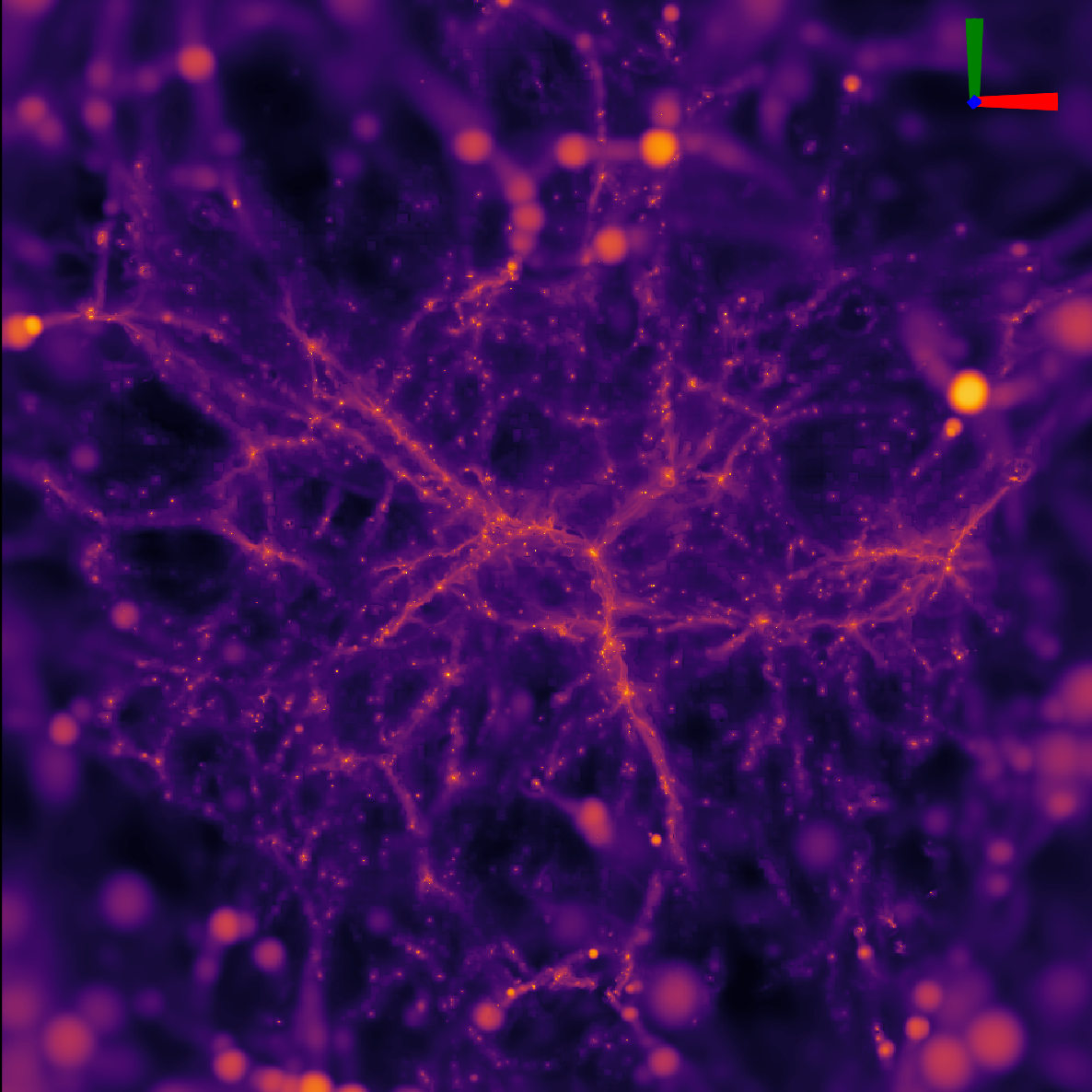
Size evolution of the first galaxies: evaluating multiphysics simulations through the lens of JWST
PI: Prof. Risa Wechsler (Stanford), Dr. Sergio Martin-Alvarez (Stanford)
With the new Azahar simulation suite, I generated synthetic observations of thousands of high-resolution galaxies, comparing feedback physics models to reproduce morphologies, sizes, and masses of the earliest galaxies in the universe.
Manuscript in preparation.
Long Distance Ranging Velocity Measurements on Europa Clipper
PI: Dr. Gregor Steinbrugge (NASA Jet Propulsion Laboratory), Prof. Dustin Schroeder (Stanford)
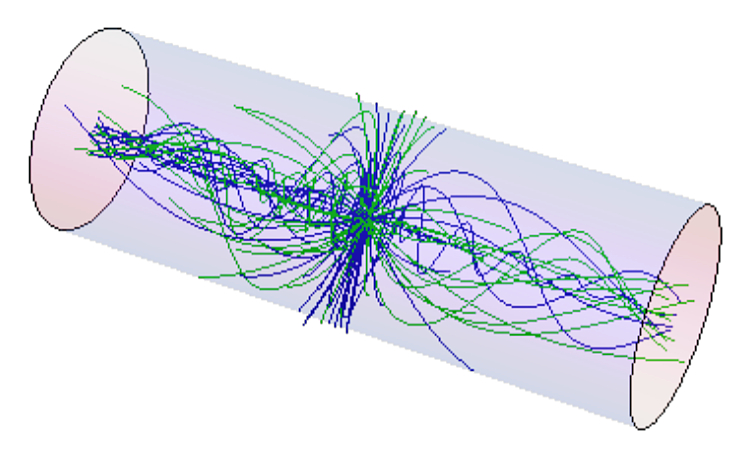
Designed a first-priority proposal for NASA’s Europa Clipper mission to refine Europa’s orbital measurements with the REASON instrument, now intended for implementation. This will uniquely gather Europa flyby data beyond the closest approach, detecting centimeter-scale shifts in the moon’s orbit to trace its thermal-orbital evolution for habitability. Estimated performance by programming radar simulations for REASON by analyzing Europa’s surface hypotheses, applying signal processing techniques (e.g. matched filtering, coherence), and integrating SPICE kernels with the trajectory design.
Published in Icarus in March 2025.

Recovering Star Formation Histories of Massive Quiescent Galaxies with Mock JWST Observations
PI: Prof. Risa Wechsler (Stanford), Dr. Wren Suess (Stanford, University of Colorado Boulder)
Investigating empirical simulations of a new population of distant, massive galaxies that have ceased star formation. Refined mock photometry and spectral fitting techniques to extract properties of galaxy death from James Webb Space Telescope observations. Implemented advanced machine learning techniques, such as MCMC and dynamic nested sampling, with high performance computing on Stanford’s Sherlock computing cluster.

The Search for Dark Matter Through Soft Unclustered Energy Patterns at CMS
PI: Prof. Christoph Paus (MIT), Dr. Chad Freer (MIT)
Investigated a new dark matter particle event, known as soft unclustered energy patterns (SUEPs), at the Large Hadron Collider’s (LHC) Compact Muon Solenoid detector. We tested solutions to identify low-energy particles of SUEPs from high-energy background noise with Monte Carlo simulations of particle events. Designed a new approach to distinguish SUEPs using their unique spherical shape in a boosted reference frame, which have been approved for experimental testing in LHC Run 3.
Published as part of the CMS Collaboration in the Physical Review Letters in November 2024.
Published in MIT & Center for Excellence in Education’s Research Science Institute Compendium in January 2022.
Kepler Exoplanet Habitability from Standardized Transit Light Curves
PI: Prof. Dustin Schroeder (Stanford)
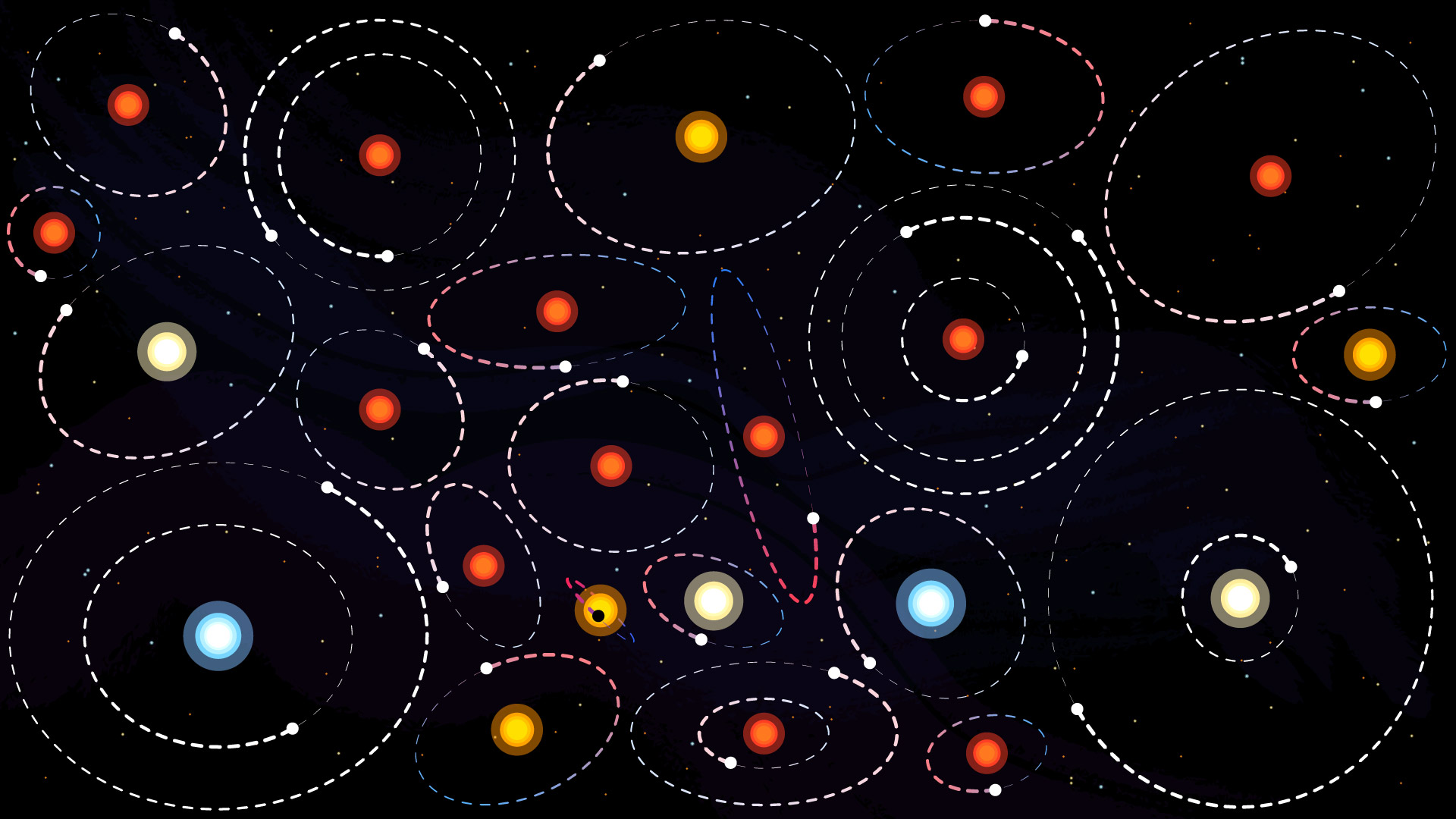
To easily parse the immense data generated by the Kepler exoplanet mission, I developed a Python program to generate standardized light curves, or graphs showing variations in a star’s brightness as an exoplanet transits in front of it. With the exoplanet’s Kepler ID as the input, the program outputs a user-accessible summary to indicate the exoplanet’s habitability, derived from its extraction of radius, period, and semi-major axis.
[Fe/H] Values Modulate Light Curves by Absolute Magnitude in RRab Lyraes
PI: Prof. Dustin Schroeder (Stanford)
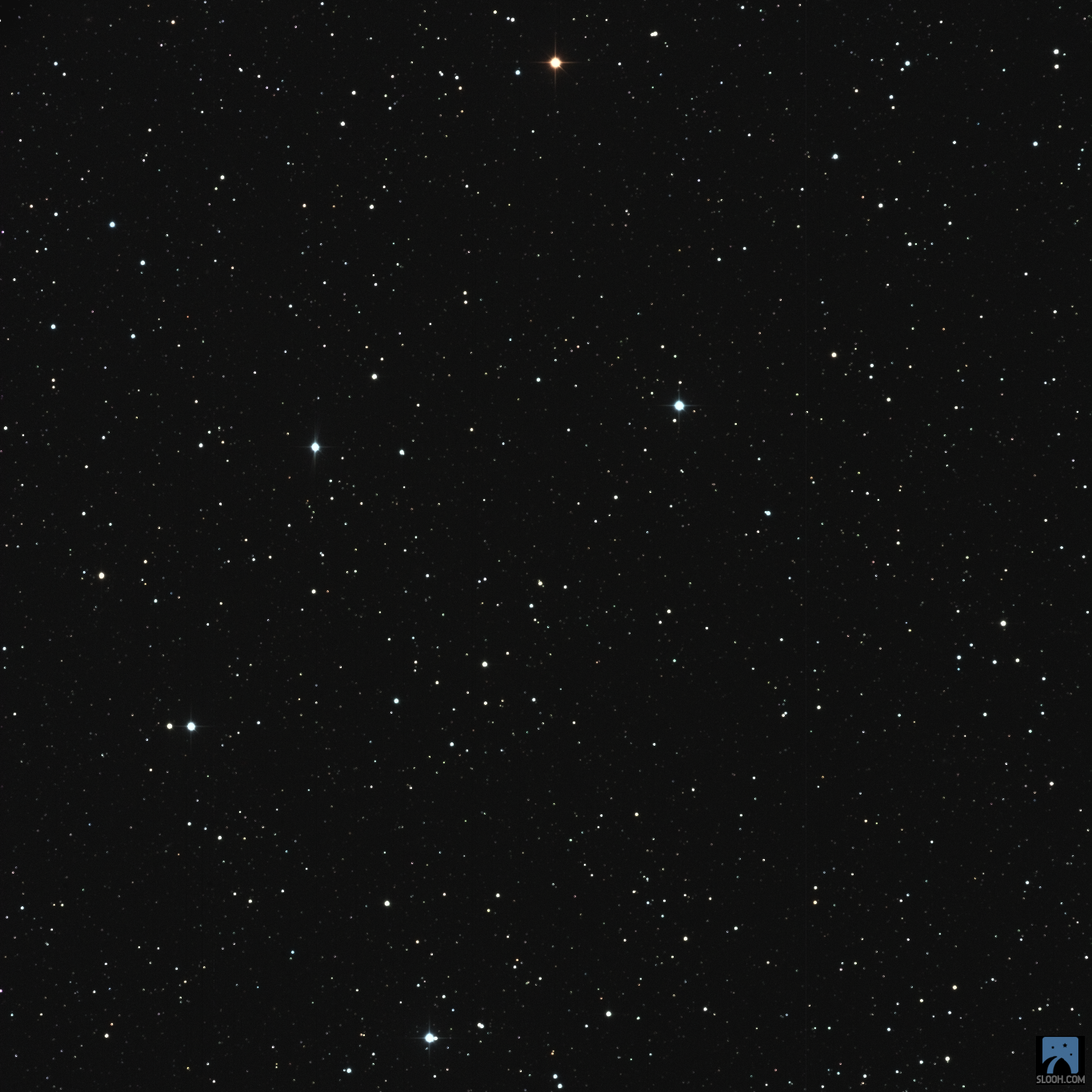
I explored how the composition of a type of variable stars, known as RR Lyraes, affects their varying brightness over time. These stars pulsate on timescales of hours to days, which can be plotted as light curves. For my project, I took 135 photographs of fifteen RR Lyrae stars by remotely accessing the Slooh Canary Two telescope in the Canary Islands. Using astrophotography software, I extracted each star’s magnitude to build light curves and improved metallicity corrections for RR Lyraes as standard candles, where their known brightness can measure distances to galaxies.
Published in Journal of Emerging Investigators in December 2020..
 Michelle Park